
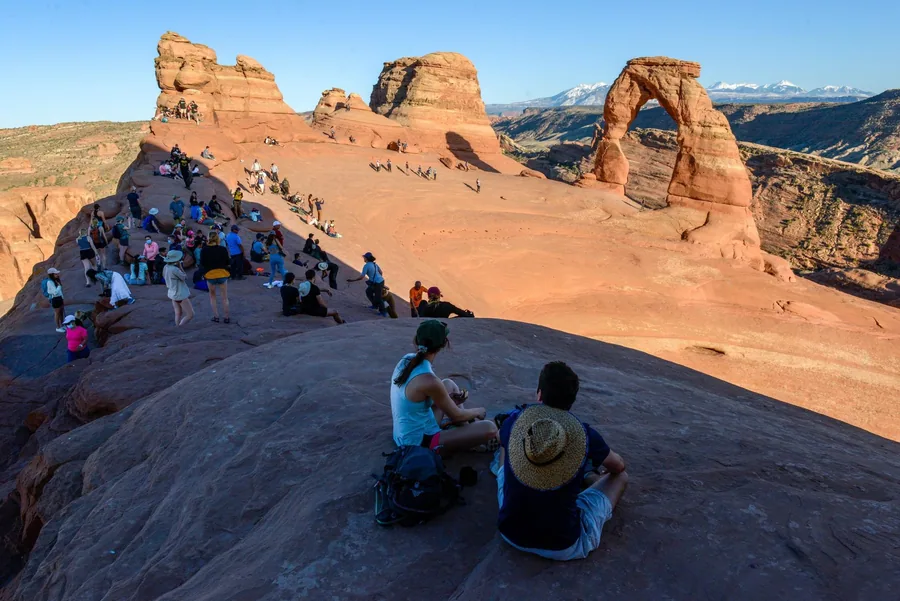
 Dark-Sky Certified
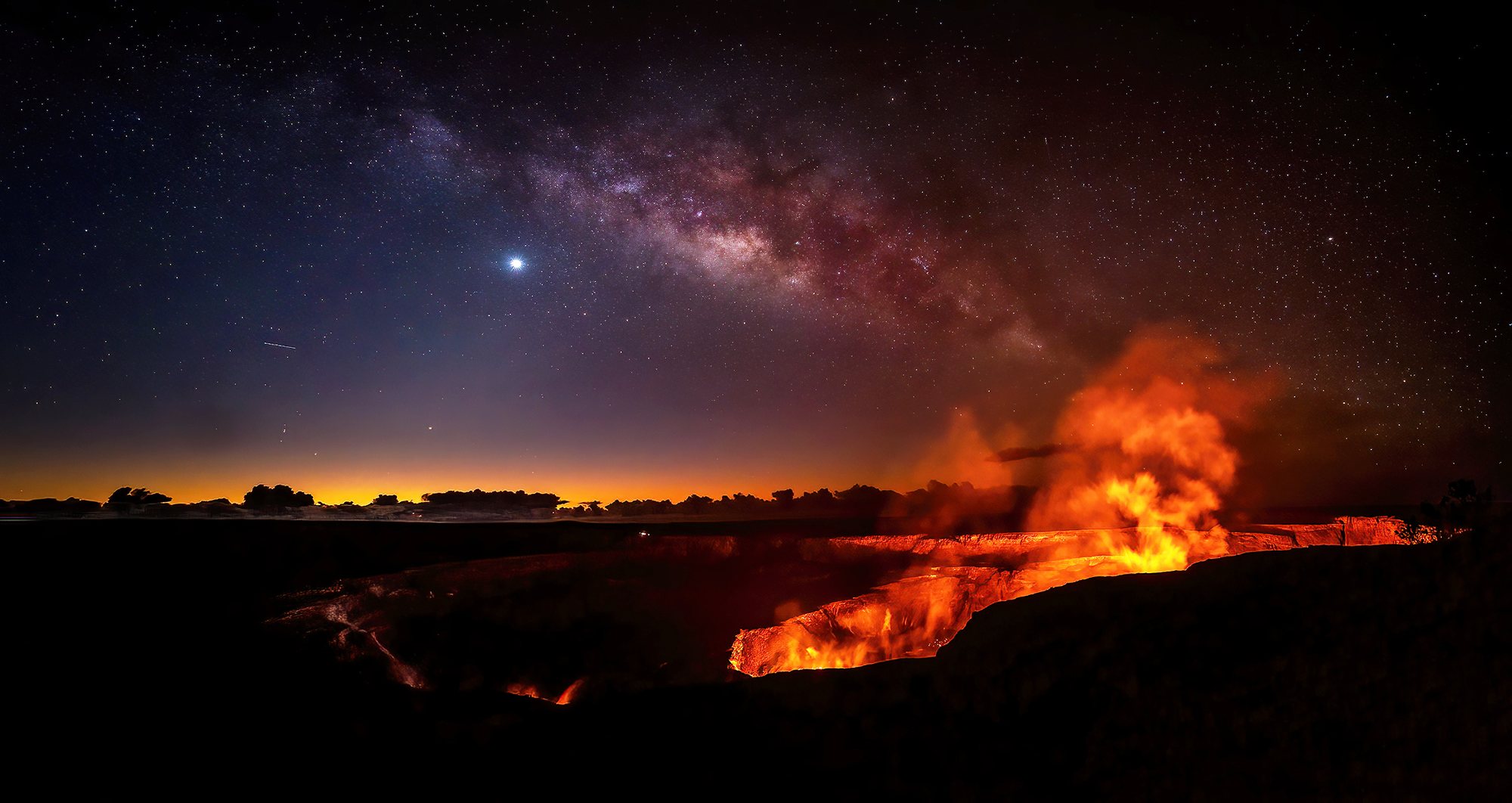
The night sky is closer than you think.
Point a smart telescope at the dark, and the universe answers. We'll show you what's up tonight, where the skies are truly dark, and how beginners like you are capturing galaxies from a campsite, like Hawaiʻi Volcanoes National Park.
See tonight's sky or create a free accountExploreDark skies, protected places
All 60 parks →
Dark-Sky Certified
 Dark-Sky Certified
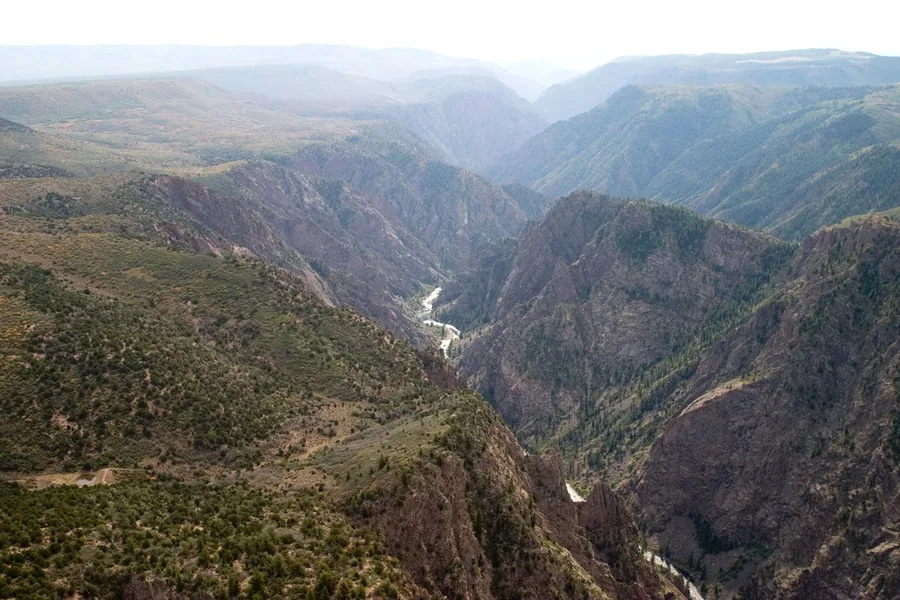 Dark-Sky Certified
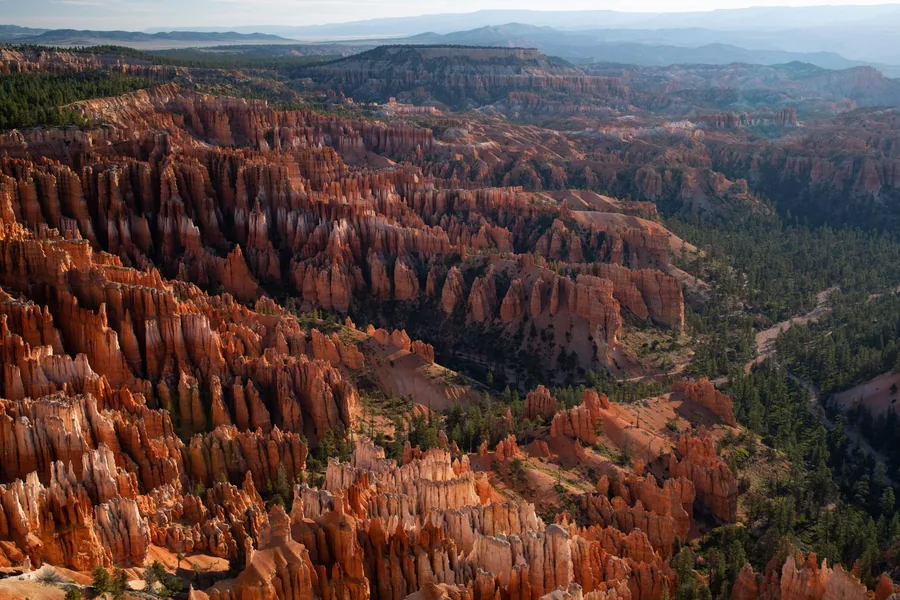 Dark-Sky Certified
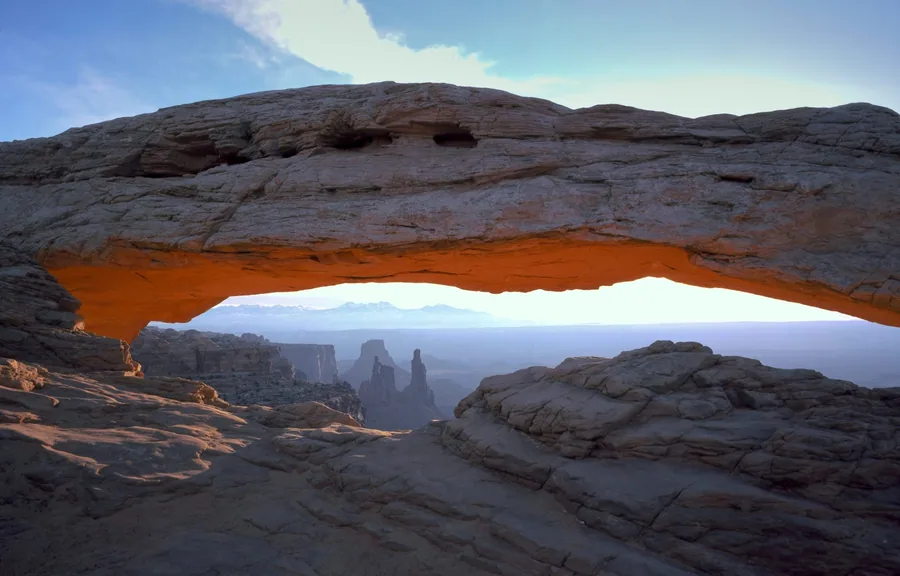 Dark-Sky Certified
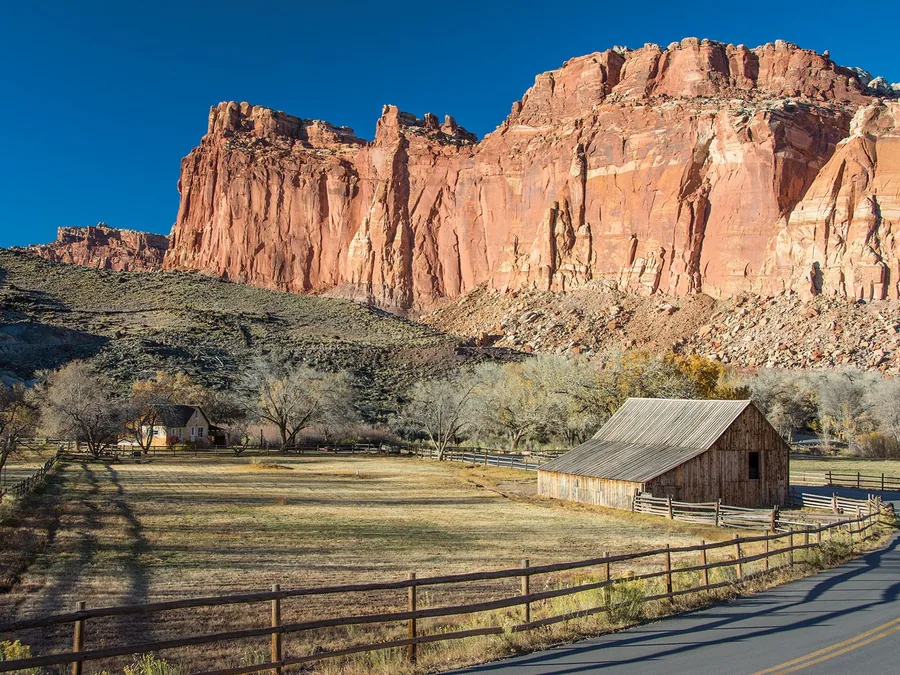 Dark-Sky Certified
August 2, 2027
The longest total solar eclipse until 2114
Six minutes and 23 seconds of darkness over Egypt, more than four from the southern tip of Spain. We computed the exact times town by town, drew the path of totality, and unlike 2026 there are still rooms inside it.
The whole idea
Find your dark sky. Know when it's clear. Shoot it with people.
1
Find your dark sky
Your backyard, a field you like, or one of 60 dark-sky parks. Save it once.
2
Know when it's worth it
One plain sentence about tonight: when it gets dark, what the Moon is doing, whether cloud will ruin it.
3
Shoot it with people
Star parties, in person or fully virtual, with live chat while you observe and a shared gallery after.
Start First Light Free, and nothing is locked.
LearnStart here
The whole path →LatestNew guides
All 37 articles →What to Photograph in Winter: December to February
Orion is the obvious answer, and it is the right one. But winter hands a smart telescope four other targets that suit it beautifully, and one that will break your heart if you try it too early.
What to Photograph in Spring: March to May
Spring is galaxy season, and galaxies are the hardest thing a smart telescope does. Here is which ones actually work, and how to set expectations before you point at Markarian's Chain.
Planets or Deep Sky? What Smart Telescopes Are and Are Not Built For
The same instrument that photographs a galaxy in ninety minutes will disappoint you badly on Jupiter, and the reason is a single number in the specification.
Your First Ten Targets, in Order of Difficulty
A deliberate progression rather than a wish list. Each target teaches one thing, and doing them in this order means every night ends with something you can look at.
What to Photograph in Summer: June to August
Short nights, warm air and the Milky Way core overhead. Summer is the season where a smart telescope's filter earns its money, and where twilight decides your whole schedule.
What 30 Minutes, 90 Minutes and 3 Hours Actually Look Like
Integration time is the one variable that improves every image, and the returns diminish in a very specific, predictable way. Knowing the shape of that curve tells you when to stop.